This info has collected by Dr.S hasan.
Image attached:-
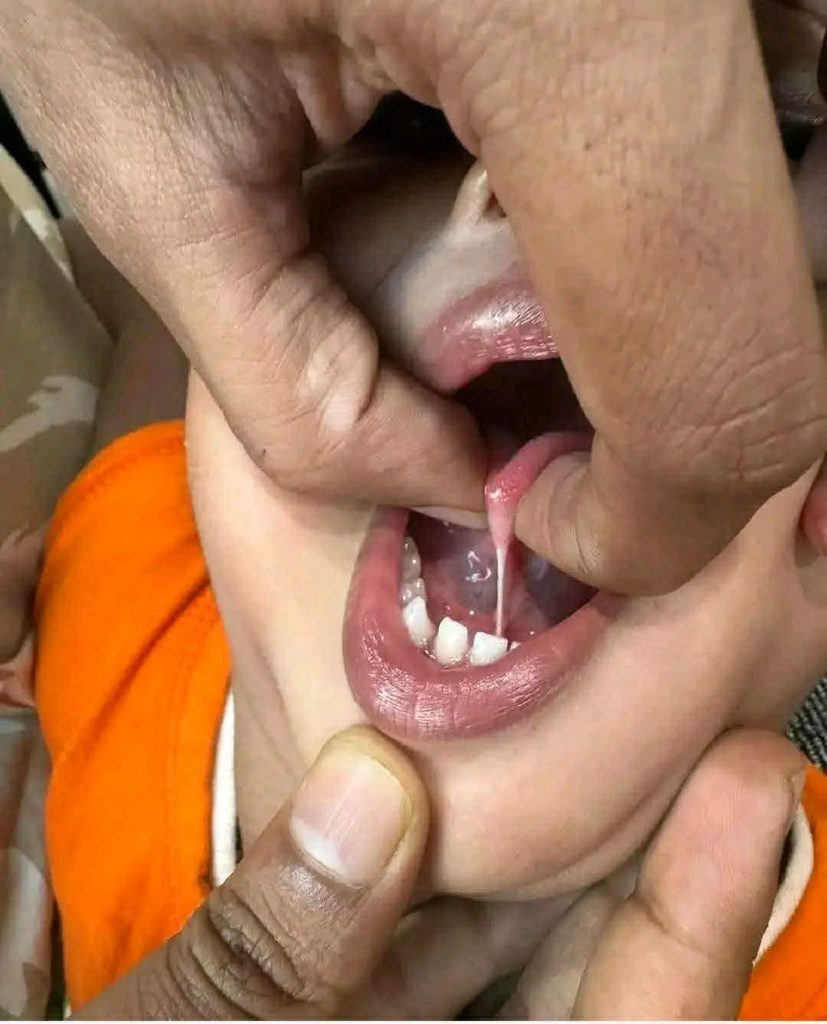
“বাবুর বয়স ৬ বছর কিন্তু এখনও স্পষ্ট করে কথা বলতে পারে না । কথা বলতে গেলে আটকে যায় । কিছু শব্দ বলতে পারে না ।
তার বাবার কথা শুনে জিহ্বা দেখতে গিয়ে দেখি তার জিহ্বা মারিতে লাগানো মানে (Tongue Tie) তাই আশা করা যায় অপারেশন করার পর বাবু এক্সারসাইজ করে কথা বলার স্পষ্টতা ফিরে পাবে।
তাই জন্মের পর সবাই নিজের বাচ্চার (Tongue Tie)আছে কিনা দেখে নিবেন এবং ছোট থাকতেই অপারেশন করবেন ।
যেন শুরু থেকে স্পষ্ট করে কথা বলা শিখতে পারে। তা না হলে বড় হয়ে অপারেশন করলে অনেক সময় কথা স্পষ্ট হয় না, আগে থেকে অস্পষ্ট করে কথা বলার অভ্যাস গড়ে উঠার কারণে। আশা করি আপনারা বুঝতে পারছেন।”
This information has been collected by Chat Gpt:-
Tongue-tie (Ankyloglossia): ৬ বছরের শিশুর ক্ষেত্রে Clinical Review
Working clinical assessment
আপনার বর্ণনার ভিত্তিতে সবচেয়ে উপযুক্ত working assessment হবে:
“Speech sound/fluency disorder with suspected functionally significant ankyloglossia — causal relationship yet to be confirmed.”
কারণ শিশুর “কথা বলতে গিয়ে আটকে যাওয়া” stuttering/fluency disorder-এর লক্ষণও হতে পারে, আর কিছু নির্দিষ্ট শব্দ উচ্চারণ করতে না পারা speech sound/articulation disorder হতে পারে। শুধু tongue-tie দেখেই speech problem-এর কারণ নিশ্চিত করা যায় না। AAO-HNS consensus অনুযায়ী tongue-tie সাধারণত speech-কে প্রভাবিত করে না; speech concern থাকলে operation-এর আগে Speech-Language Pathologist (SLP) assessment করা উচিত।
Confidence: 0.95
১. Definition — Tongue-tie কী?
Ankyloglossia বা Tongue-tie হলো এমন একটি congenital condition যেখানে জিহ্বার নিচের lingual frenulum অস্বাভাবিকভাবে tight/short/restrictive হওয়ায় জিহ্বার স্বাভাবিক নড়াচড়া সীমিত হয়ে যায়।
বর্তমান consensus definition হলো—restrictive lingual frenulum-এর কারণে tongue mobility কমে যাওয়া। শুধু frenulum দেখা গেলেই tongue-tie disease বলা যাবে না; functional restriction থাকতে হবে।
Confidence: 0.98
২. Cause / Etiology — কেন হয়?
১. জন্মগত developmental variation: ভ্রূণ অবস্থায় tongue ও floor of mouth আলাদা হওয়ার developmental process-এর পরিবর্তনের কারণে frenulum তুলনামূলক short/tight থাকতে পারে।
২. Exact cause অধিকাংশ ক্ষেত্রেই অজানা: বেশিরভাগ শিশু অন্য কোনো congenital disease ছাড়াই tongue-tie নিয়ে জন্মায়।
৩. Familial/genetic tendency: কিছু পরিবারে একাধিক সদস্যের tongue-tie দেখা যায়, তাই genetic contribution থাকার সম্ভাবনা রয়েছে; তবে inheritance pattern সম্পূর্ণ পরিষ্কার নয়।
৪. কিছু rare congenital syndrome-এর সাথে association থাকতে পারে, যেমন Van der Woude, Opitz ইত্যাদি; তবে অধিকাংশ tongue-tie শিশুর কোনো syndrome থাকে না।
Confidence: 0.88–0.97
৩. Symptoms / Clinical Features
Infant-এ
১. Breastfeeding-এর সময় latch করতে সমস্যা।
২. বারবার breast ছেড়ে দেওয়া।
৩. Feeding prolonged হওয়া।
৪. Poor milk transfer/poor weight gain—significant cases-এ।
৫. মায়ের nipple pain বা trauma হতে পারে।
Older child-এ
১. জিহ্বা বাইরে বের করতে সমস্যা।
২. জিহ্বা উপরের দাঁত/upper alveolar ridge-এর দিকে তুলতে সমস্যা।
৩. জিহ্বা দুই পাশে নড়াতে সমস্যা।
৪. জিহ্বা বের করলে tip heart-shaped/notched হতে পারে।
৫. ঠোঁট চাটা, ice-cream lick করা বা tongue-related mechanical কাজ করতে অসুবিধা হতে পারে।
৬. কিছু শিশুর নির্দিষ্ট articulation-এ সমস্যা থাকতে পারে; বিশেষত tongue-tip elevation বা protrusion দরকার এমন sound-এ। তবে tongue-tie ও speech disorder-এর causal relationship এখনও নিশ্চিত নয়।
৭. “কথা বলতে গিয়ে আটকে যাওয়া” tongue-tie-এর typical feature নয়। এটি stuttering/fluency disorder কিনা আলাদাভাবে মূল্যায়ন করা প্রয়োজন।
Confidence: 0.92
৪. Clinical Diagnosis — কীভাবে নির্ণয় করবেন?
Tongue-tie diagnosis প্রধানত clinical। শুধু frenulum-এর appearance নয়—tongue function demonstrate করতে হবে।
Examination
১. Tongue protrusion—lower lip/teeth-এর বাইরে কতটা আনতে পারে।
২. Tongue elevation—upper incisors/alveolar ridge বা palate-এর দিকে তুলতে পারে কিনা।
৩. Right-left lateral movement।
৪. Tongue tip heart-shaped/notched কিনা।
৫. Frenulum কোথায় attach হয়েছে, কতটা tight—inspection + palpation।
৬. Floor of mouth elevation হয় কিনা।
৭. Oral cavity পরীক্ষা—palate, dentition, occlusion এবং অন্য structural abnormality।
৮. Functional complaints—খাওয়া, tongue cleaning, licking এবং speech-এর সাথে restriction correlate করছে কিনা।
Coryllos classification anatomy বর্ণনা করতে পারে, কিন্তু function assess করে না। Hazelbaker tool মূলত infant assessment-এ বেশি ব্যবহৃত; older child-এর ক্ষেত্রে clinical functional assessment বেশি গুরুত্বপূর্ণ।
Confidence: 0.94
৫. ৬ বছরের speech problem-এ প্রয়োজনীয় Investigations
A. Speech-Language Pathology assessment — সবচেয়ে গুরুত্বপূর্ণ
Assessment করতে হবে:
- articulation/phonological error;
- কোন sound consistently ভুল হচ্ছে;
- connected speech intelligibility;
- oral-motor function;
- tongue range of motion;
- fluency/stuttering;
- receptive ও expressive language;
- childhood apraxia-এর features আছে কিনা।
Older child-এর speech concern-এ frenotomy/frenuloplasty-এর আগে SLP consultation AAO-HNS বিশেষভাবে উৎসাহিত করেছে।
B. Hearing assessment
Speech delay/unclear speech থাকলে hearing problem বাদ দেওয়া জরুরি।
Tests:
- Otoscopy
- Pure-tone audiometry
- Tympanometry/immittance testing, প্রয়োজন অনুযায়ী।
ASHA comprehensive speech assessment-এর অংশ হিসেবে hearing assessment recommend করে।
C. Routine imaging?
না। X-ray, CT বা MRI সাধারণ tongue-tie diagnosis-এর জন্য প্রয়োজন হয় না।
D. Routine blood test?
Tongue-tie diagnosis-এর জন্য প্রয়োজন নেই। Surgery planned হলে bleeding history বা underlying disease অনুযায়ী CBC/coagulation profile ইত্যাদি surgeon/anesthetist প্রয়োজন মনে করলে করবেন।
Confidence: 0.95
৬. Differential Diagnosis
৬ বছরের শিশুর unclear speech বা আটকে যাওয়ার ক্ষেত্রে tongue-tie ছাড়াও দেখতে হবে:
- Speech Sound Disorder / Articulation disorder
- Stuttering / Fluency disorder
- Hearing impairment
- Developmental language disorder
- Childhood apraxia of speech
- Oromotor/neuromuscular dysfunction
- Dental malocclusion
- Cleft palate/submucous cleft বা অন্য structural oral abnormality
তাই tongue-tie পেলেই speech problem-এর সম্পূর্ণ explanation পাওয়া গেছে—এমন সিদ্ধান্ত দেওয়া উচিত নয়।
Confidence: 0.97
৭. Complications of Tongue-tie
Untreated tongue-tie-এর সবাই complication develop করে না।
সম্ভাব্য সমস্যা:
১. Infancy-তে significant feeding difficulty।
২. Tongue-related mechanical limitation।
৩. Oral hygiene করতে কিছু ক্ষেত্রে অসুবিধা।
৪. কিছু older child-এর social embarrassment বা quality-of-life impact হতে পারে।
৫. কিছু শিশুর articulation difficulty থাকতে পারে, কিন্তু evidence inconsistent।
৬. Malocclusion/gingival recession-এর সাথে association নিয়ে evidence সীমিত; এটিকে নিশ্চিত complication বলা ঠিক নয়।
Confidence: 0.82–0.95 depending on outcome
৮. Treatment / Management
A. সব Tongue-tie-তে Operation নয়
Asymptomatic বা functionally insignificant tongue-tie → observation।
AAP এবং AAPD দুটোই বলছে prophylactically সব tongue-tie release করা প্রয়োজন নয়। বিশেষ করে ভবিষ্যতে speech problem ঠেকানোর জন্য newborn-এর routine frenotomy evidence-based নয়।
Confidence: 0.98
B. ৬ বছরের speech concern হলে
প্রথমে:
ENT/Pediatric ENT + SLP evaluation → hearing assessment → functional tongue assessment।
যদি demonstrable restriction থাকে এবং SLP assessment-এ tongue mobility-এর কারণে articulation difficulty strongly suspected হয়, তখন surgical release বিবেচনা করা যায়।
Older child-এ procedure হতে পারে:
- Frenotomy/frenulotomy
- Frenuloplasty
- Selected cases-এ frenectomy
কোন একটি surgical technique superior—এমন শক্ত evidence নেই।
C. Speech therapy
Operation করা হলেও speech automatically normal হয়ে যাবে—এটি guarantee করা যায় না।
যেসব ভুল pronunciation দীর্ঘদিন ধরে learned motor pattern হয়ে গেছে, সেগুলোর জন্য postoperative SLP-guided articulation therapy প্রয়োজন হতে পারে।
কিন্তু wound বারবার টেনে খুলে রাখার routine postoperative stretching/massage-এর supporting evidence নেই; infant guideline এটি recommend করে না। Targeted speech/oral-motor rehabilitation এবং surgical wound stretching একই বিষয় নয়।
৯. Pharmacological Management
গুরুত্বপূর্ণ
Tongue-tie সারানোর কোনো pharmacological medicine নেই।
ওষুধ শুধুমাত্র frenotomy/frenuloplasty-এর পর pain control অথবা অন্য নির্দিষ্ট postoperative indication-এর জন্য লাগে। Pediatric acute oral pain-এ acetaminophen/paracetamol এবং NSAID যেমন ibuprofen first-line non-opioid options।
১. Generic name: Paracetamol / Acetaminophen
MedEx Therapeutic Class: Non-Opioid Analgesics.
Pharmacological class: Analgesic + antipyretic।
Purpose: Frenotomy/frenuloplasty-এর পরে mild–moderate postoperative pain কমানোর জন্য; tongue-tie নিজে cure করে না।
Pediatric dose
10–15 mg/kg/dose orally প্রতি 4–6 ঘণ্টা PRN। Conservative routine maximum হিসেবে প্রায় 60 mg/kg/day রাখা যায়; specific clinical guideline/setting অনুযায়ী upper limit ভিন্ন হতে পারে। WHO symptomatic-care guidance 10–15 mg/kg/dose উল্লেখ করে।
Duration: সাধারণ uncomplicated procedure-এ প্রয়োজনমতো প্রায় 1–3 দিন; clinical pain অনুযায়ী।
উদাহরণ
শিশুর ওজন 20 kg হলে 15 mg/kg হিসাবে:
20 × 15 = 300 mg/dose
এটি শুধু dose-calculation example, নির্দিষ্ট শিশুর prescription নয়।
Bangladesh available brands — MedEx
Ace Suspension — Paracetamol 120 mg/5 mL, Square Pharmaceuticals; MedEx price 60 mL = ৳35।
Napa Syrup — Paracetamol 120 mg/5 mL, Beximco; 60 mL = ৳35, 100 mL = ৳50।
MedEx-এ একই generic-এর আরও বহু brand রয়েছে; তাই একইসঙ্গে একাধিক paracetamol-containing product ব্যবহার করা যাবে না।
Side effects
Therapeutic dose-এ সাধারণত well tolerated। সম্ভাব্য rash/allergic reaction, nausea; overdose-এ severe hepatotoxicity হতে পারে।
Important interactions
Enzyme-inducing drugs যেমন carbamazepine, phenytoin, phenobarbital/rifampicin এবং দীর্ঘমেয়াদি high-dose exposure hepatotoxicity-এর risk পরিবর্তন করতে পারে। সবচেয়ে গুরুত্বপূর্ণ practical issue হলো অন্য cold/fever medicine-এর মধ্যে paracetamol আছে কিনা দেখে duplicate dosing এড়ানো।
Confidence: 0.97
২. Generic name: Ibuprofen
MedEx Therapeutic Class:
- Non-steroidal Anti-inflammatory Drugs (NSAIDs)
- Drugs for Osteoarthritis
- Drugs used for Rheumatoid Arthritis.
Pharmacological class: NSAID; analgesic, anti-inflammatory ও antipyretic।
Purpose: Postoperative pain ও inflammation কমাতে।
Pediatric dose
5–10 mg/kg/dose orally প্রতি 6–8 ঘণ্টা PRN, maximum প্রায় 40 mg/kg/day।
উদাহরণ
ওজন 20 kg হলে 10 mg/kg হিসাবে:
20 × 10 = 200 mg/dose
আবারও এটি শুধু calculation example।
Bangladesh available brands — MedEx
Profen Suspension — Ibuprofen 100 mg/5 mL, ACME; 100 mL bottle = ৳37।
Advel Suspension — Ibuprofen 100 mg/5 mL, Opsonin; 100 mL = ৳33.71।
Reumafen Suspension — Ibuprofen 100 mg/5 mL, Beximco; 100 mL = ৳33.82।
Flamex Suspension — Ibuprofen 100 mg/5 mL, ACI; 100 mL = ৳56।
MedEx price সময়ের সঙ্গে পরিবর্তিত হতে পারে; এগুলো 27 September 2026-এ পাওয়া MedEx listing অনুসারে।
Side effects
পেটের discomfort, nausea, gastritis; uncommon/serious ক্ষেত্রে GI bleeding, renal impairment, hypersensitivity/bronchospasm হতে পারে।
Avoid/caution
Significant dehydration, renal impairment, active GI ulcer/bleeding, NSAID hypersensitivity এবং কিছু asthma phenotype-এ বিশেষ সতর্কতা প্রয়োজন।
Interactions
অন্যান্য NSAID/aspirin, anticoagulant যেমন warfarin, antiplatelet, corticosteroid, ACE inhibitor/diuretic, lithium, methotrexate ইত্যাদির সাথে clinically relevant interaction থাকতে পারে।
Confidence: 0.96
৩. Antibiotic — Routine নয়
Uncomplicated tongue-tie release-এর জন্য routine oral antibiotic দেওয়া standard treatment নয়। Antibiotic ব্যবহার করতে হলে infection, systemic involvement বা বিশেষ high-risk indication থাকতে হবে। Unnecessary antibiotic ব্যবহার antimicrobial resistance ও adverse effects বাড়ায়।
অতএব “tongue-tie operation হয়েছে তাই amoxicillin/cefixime দিতে হবে”—এমন routine rule evidence-based নয়।
Confidence: 0.94
১০. Surgical complications
Frenotomy/frenuloplasty সাধারণত safe, তবে rare complication হিসেবে হতে পারে:
- Bleeding/hemorrhage
- Scar formation
- Salivary structure injury
- Oral aversion
- Rare airway complication
- Inadequate improvement
- Re-adhesion/recurrence হতে পারে
এসব কারণেই appropriate patient selection এবং informed consent দরকার।
১১. Prevention
Tongue-tie congenital, তাই এটাকে reliably prevent করার প্রমাণিত কোনো medicine, vitamin, খাবার বা pregnancy intervention নেই।
যা করা যায় তা হলো early recognition, prevention নয়।
জন্মের পর oral examination-এ tongue mobility দেখা যেতে পারে। কিন্তু:
“Tongue-tie দেখলেই ছোট অবস্থায় operation করে দিতে হবে, যেন ভবিষ্যতে speech problem না হয়” — এই বক্তব্য current evidence অনুযায়ী সঠিক নয়।
AAP স্পষ্টভাবে বলছে normal feeding থাকা infant-এর intervention প্রয়োজন নেই এবং future speech problem prevent করার উদ্দেশ্যে frenotomy evidence-based নয়।
Confidence: 0.99
আপনার মূল লেখাটির সবচেয়ে গুরুত্বপূর্ণ clinical correction
আপনার লেখার—
“ছোট থাকতেই অপারেশন করবেন, যেন শুরু থেকে স্পষ্ট করে কথা বলা শিখতে পারে”
এই অংশটি medical evidence অনুযায়ী পরিবর্তন করা প্রয়োজন।
আরও নির্ভুল message হবে: শিশুর tongue-tie থাকলে শুধু দেখতে কেমন তার ওপর নয়, feeding, tongue mobility, speech ও অন্যান্য functional সমস্যা আছে কিনা মূল্যায়ন করতে হবে। সব tongue-tie-তে operation প্রয়োজন হয় না। Older child-এর speech problem থাকলে operation-এর আগে hearing ও Speech-Language Pathology assessment করা উচিত।
Overview / Summary
Final working assessment: ৬ বছরের শিশুটির ক্ষেত্রে suspected ankyloglossia + speech sound/fluency disorder বিবেচনা করা যায়, কিন্তু tongue-tie-কে speech difficulty-এর একমাত্র কারণ ধরে নেওয়া যাবে না। বিশেষ করে “কথা আটকে যাওয়া” stuttering evaluation-এর প্রয়োজনীয়তা তৈরি করে।
Tongue-tie clinically significant হলে এবং objective tongue-mobility restriction-এর সাথে speech/mechanical difficulty correlate করলে surgery বিবেচনা করা যায়। Speech improvement নিশ্চিত নয় এবং প্রয়োজন হলে postoperative speech therapy চালাতে হয়। Systematic review-এ surgery-এর পর কিছু study improvement দেখালেও controlled studies-এর ফল inconsistent এবং overall evidence quality low।
Overall confidence: 0.94
Actionable Plan / Steps
৬ বছরের এই শিশুর জন্য practical pathway: Pediatric ENT/ENT বা pediatric oral surgeon দিয়ে functional tongue examination → Speech-Language Pathologist দ্বারা articulation + fluency assessment → pure-tone audiometry ± tympanometry → tongue restriction ও speech error-এর direct correlation নির্ণয় → functionally significant ankyloglossia হলে frenotomy/frenuloplasty আলোচনা → এরপর প্রয়োজন অনুযায়ী targeted speech therapy ও follow-up।
শুধু tongue-tie দেখে straight-to-surgery করা বা operation-এর পরে speech নিশ্চিতভাবে ঠিক হয়ে যাবে বলা উচিত নয়।
Reference List
Textbook: Kliegman RM, St Geme JW, eds. Nelson Textbook of Pediatrics. 22nd ed. Elsevier; 2024. বর্তমান 22nd edition-এর publication details Elsevier দ্বারা নিশ্চিত।
Francis HW, Haughey BH, Lesperance MM, et al., eds. Cummings Otolaryngology: Head and Neck Surgery. 8th ed. Elsevier; 2025/2026.
Guidelines/Consensus: Messner AH, et al. Clinical Consensus Statement: Ankyloglossia in Children. Otolaryngol Head Neck Surg. 2020;162(5):597-611. DOI: 10.1177/0194599820915457.
American Academy of Pediatrics. Identification and Management of Ankyloglossia and Its Effect on Breastfeeding in Infants. Pediatrics. 2024;154(2):e2024067605. DOI: 10.1542/peds.2024-067605.
American Academy of Pediatric Dentistry. Policy on Management of the Frenulum in Pediatric Patients. Reference Manual of Pediatric Dentistry 2026–2027; policy revised 2022.
Systematic review: Wang J, Yang X, Hao S, Wang Y. The effect of ankyloglossia and tongue-tie division on speech articulation: a systematic review. Int J Paediatr Dent. 2022;32(2):144-156. DOI: 10.1111/ipd.12802.
Pediatric analgesia guideline: Carrasco-Labra A, et al. Evidence-based clinical practice guideline for pharmacologic management of acute dental pain in children. J Am Dent Assoc. 2023;154(9):814-825.e2. DOI: 10.1016/j.adaj.2023.06.014.
Bangladesh medicine reference: MedEx Bangladesh—Paracetamol/Ace/Napa and Ibuprofen/Profen/Advel/Reumafen listings, including current therapeutic class, strength and listed prices.
Md.Rafiqul Islam Lipu,Date:-23-09-2026 Wednesday,Time:-2-38-47 Pm